
How to Write a Check Correctly: A Step-by-Step Guide for Businesses
Despite the growing dominance of digital payments, checks are still used in many business-to-business transactions and formal financial dealings around the world. Writing a check may seem simple, but…
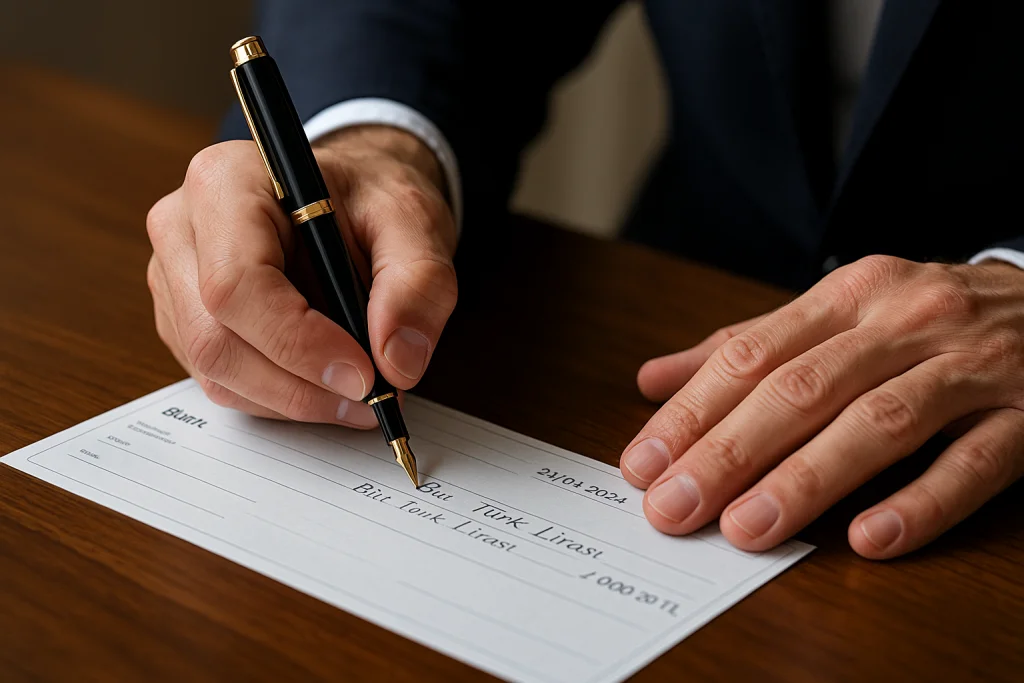
Despite the growing dominance of digital payments, checks are still used in many business-to-business transactions and formal financial dealings around the world. Writing a check may seem simple, but even a minor error can result in rejection by the bank or disputes with the recipient.
This guide breaks down the correct and legal way to write a check—whether you’re an individual or a company—while highlighting the important details you should never skip.
Why Accuracy Matters When Writing a Check
A check is a legally binding payment instrument. Errors in writing a check can lead to:
-
Rejected transactions by the bank
-
Delayed payments
-
Legal disputes or non-compliance
-
Loss of credibility in business relations
Therefore, it’s essential to follow proper procedures and maintain consistency in check issuance.
Key Fields to Fill Out on a Check
When writing a check, ensure that all the following fields are correctly and legibly filled:
-
Date: Write the current date (or the date you want the check to be cashed) clearly in the date field.
-
Payee name: Enter the full legal name of the person or company you are paying; avoid abbreviations or nicknames.
-
Numeric amount: In the box next to the dollar sign, write the exact amount in numbers (e.g., $1,250.00).
-
Written amount: On the line below, spell out the amount in words including cents (e.g., “One thousand two hundred fifty and 00/100”).
-
Memo: Optionally note the purpose of the payment (invoice number, contract reference, etc.) for record-keeping.
-
Signature: Sign the check in the bottom right corner exactly as it appears on file with your bank.
Common Mistakes to Avoid
-
Leaving blank spaces in the amount or name fields
-
Using erasable pens or pencils
-
Omitting the written amount or date
-
Signing with an unregistered signature
-
Post-dating a check without legal allowance
Avoiding these mistakes ensures your check will be honored without delay or legal complications.
Digital Accounting Systems Can Help
Managing checks manually can lead to errors, duplication, and lack of control in cash flow. With modern accounting software, businesses can track issued and received checks, manage due dates, and integrate with banking operations.
Automated accounting tools also provide:
-
Checkbook management
-
Digital payment alternatives
-
Reconciliation reports
-
Audit trails for compliance
By using software solutions, you can gain more visibility and reduce financial risk in your operations.
Related Posts
All in Accounting & Finance →Project-Based Cost Accounting: Budget vs. Actual Tracking in Defense Projects
Accounting & FinanceWhat is Cumulative Transaction Amount and Why Does It Matter?
Accounting & FinanceWhat Is a Balance Sheet? Understanding the Financial Snapshot of Your Business
Accounting & FinanceWhat Is a Letter of Guarantee? A Key Tool in Corporate Risk Management
Transform Your Business with HarmonyERP
Manage manufacturing, accounting, inventory and sales from a single platform. Request a demo and see the difference.